Clinical interoperability networks move medical records between hospitals seamlessly. Wearable data has no equivalent, and that's a real, unsolved infrastructure gap.
Health systems have spent a decade building infrastructure to move clinical records between hospitals and EHRs. Wearable data generated by the same patients has almost none of that infrastructure, and the gap is becoming impossible to ignore.
Two parallel data worlds that still don't connect
On the clinical side, digital health apps can route through treatment-use-case networks like Health Gorilla, Particle, Zus, and Metriport, accessing patient data via Carequality and Commonwell without requiring the patient to log into a portal or re-verify their identity, according to a detailed analysis of the wearables interoperability landscape.
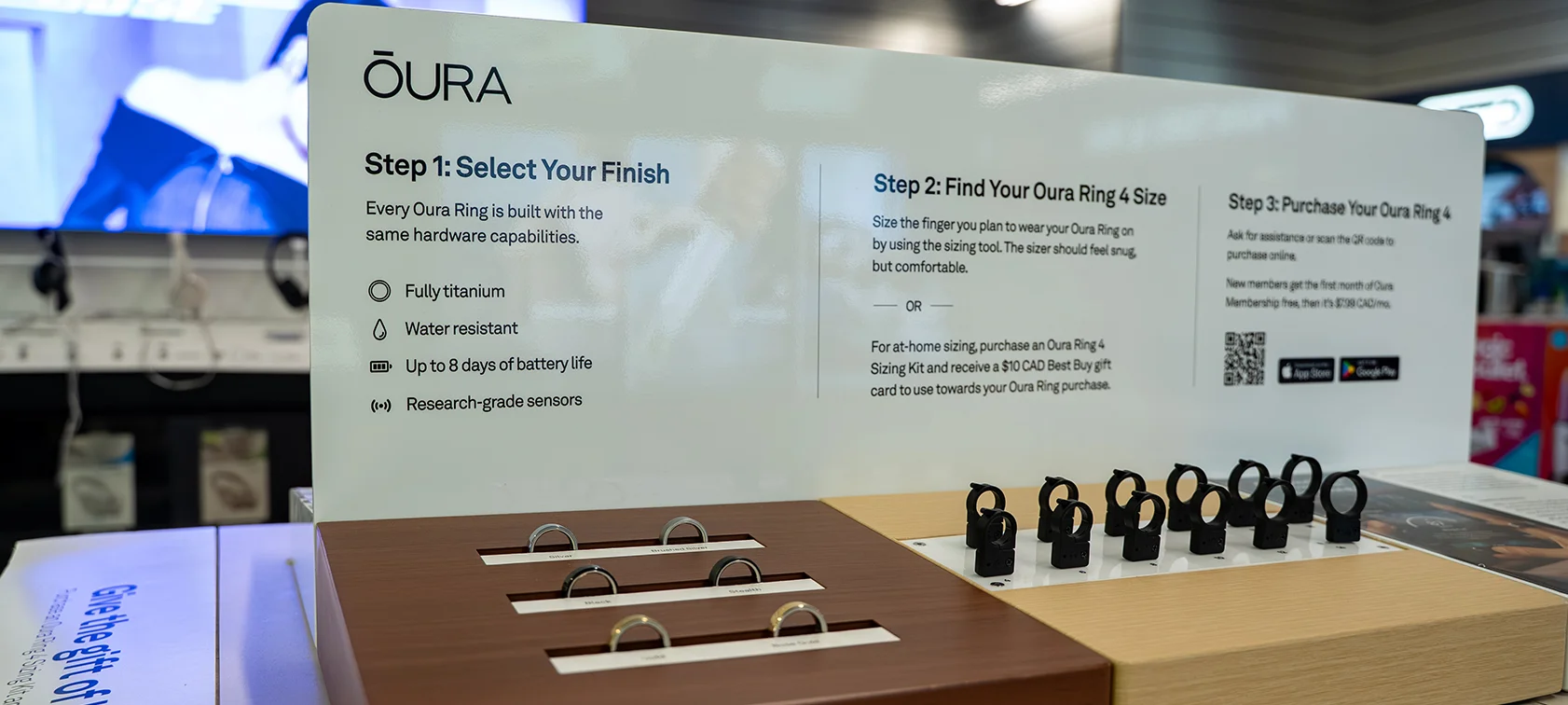
Wearables have no equivalent network. No provider-mediated system today hands a clinician Whoop or Oura data without the user separately authenticating and manually connecting their account, even though millions of patients are generating exactly the kind of longitudinal biometric data chronic disease programs say they want.
A small number of wellness aggregators have emerged specifically to connect to Fitbits, Ouras, and other devices to standardize sleep, activity, and fitness metrics for clinical use, but per the same analysis, this remains a fragmented, early-stage layer compared to the mature clinical data exchange stack.
Clinical patient data access is Pareto-distributed, integrating the top EHRs alone gets an app access to most patients as a commodity offering, per the same analysis, while wearables aggregation has no comparable shortcut, every device maker's data lives in its own separate silo by default.
CMS is already building programs that assume this gap is closed
CMS's ACCESS model and similar chronic-care programs are explicitly designed around technology-enabled engagement data, the kind wearables generate constantly. But if that data can't flow into the same clinical data infrastructure that already handles lab results, medication lists, and visit notes, it stays siloed in a separate app a clinician has to remember to check, rather than becoming part of the patient's actual clinical record.
That's not a hypothetical problem, it's the exact infrastructure gap sitting underneath every wearable-to-Medicare crossover story happening right now, including WHOOP's own move into CMS's chronic care program.
Whether an existing interoperability player builds the bridge, or a new one wins the gap outright
Watch whether an established player like Particle or Zus extends its clinical network to formally ingest wearable data as a first-class data type, or whether a new, wearable-specific interoperability startup emerges to own this gap the way Particle and Zus own clinical record exchange today. Given how quickly wellness wearables are angling toward clinical relevance, whoever solves this bridge first is solving a problem that's about to get considerably more urgent.