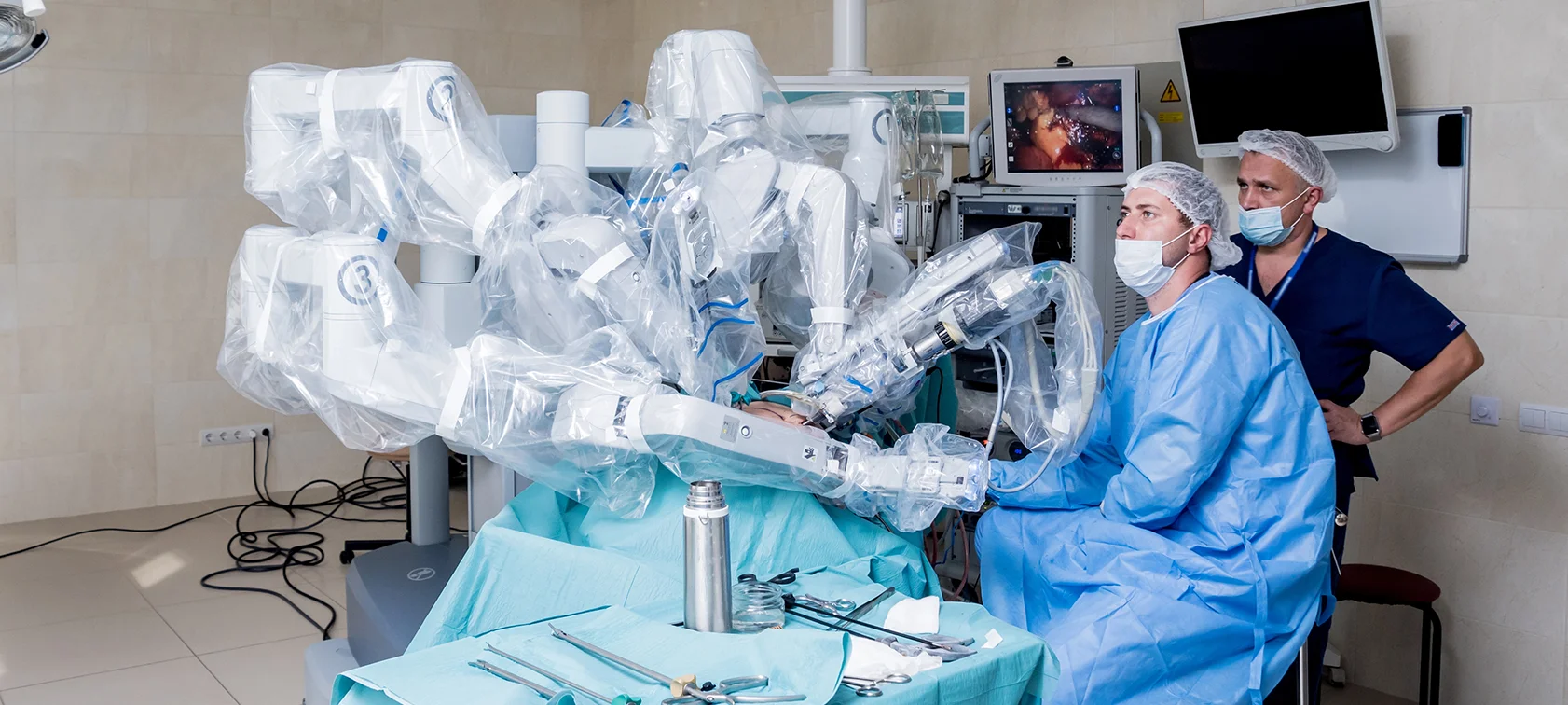
The deals getting funded aren't generic robotic platforms. They're systems targeting a defined procedure investors can actually measure adoption for.
Surgical robotics is a capital-intensive, infrequent-but-large-check category. The companies actually landing those checks share a specific trait that generic robotic platform pitches don't.
Concentrated capital, and a clear pattern in who gets it
Pure-play surgical robotics companies raised $1.17B across 17 disclosed deals between August 2024 and July 2026, according to New Market Pitch, averaging only 0.74 disclosed rounds per month, a genuinely infrequent deal cadence. But when rounds happen, they're large: median disclosed round size was $67.0M, and nine of the 17 deals were above $50M. The largest single deal represented 17.1% of all disclosed capital, the top 3 deals reached 40.7%, and the top 10 reached 88.6% concentration.
Distalmotion and XCath, two companies that raised meaningful capital in this window, share a common thread: both target defined procedural workflows where adoption can be measured directly, rather than pitching a general-purpose robotic platform searching for a use case.
Soft tissue surgery robots led the category by capital, a signal that investors are backing systems solving a specific, definable surgical problem rather than platforms marketed as broadly applicable across many procedure types.
"General purpose" is a harder sell than "this specific procedure, done better"
A surgical robotics platform pitched as broadly applicable across many procedures sounds impressive in a pitch deck, but it's genuinely difficult for a hospital's value analysis committee to evaluate, since there's no single, clean adoption metric to point to. A platform built for one defined procedure, gynecological surgery, kidney stone removal, a specific thoracic approach, gives a hospital a much clearer before-and-after comparison to justify the capital expense, and that clarity is exactly what's separating funded surgical robotics companies from unfunded ones in this data.
Whether narrow-procedure robots eventually expand, or stay deliberately narrow
Watch whether companies like Distalmotion and XCath use their initial procedure-specific foothold to expand into adjacent procedures once adoption is proven, following the path CMR Surgical's Versius system took after establishing itself in thoracic and gynecological surgery, or whether staying deliberately narrow turns out to be the more durable long-term strategy in a category where investors have clearly rewarded focus over breadth so far.